
If you’ve ever bought a $3 clamshell of basil at the grocery store, used two leaves, and watched the rest turn black in the fridge, a windowsill herb garden will feel like a small miracle. I went years buying herbs I threw away before I finally stuck a few pots on the kitchen window ledge, and the only regret is that I didn’t do it sooner. But my first attempt was a flop: I crammed six herbs into one shallow bowl, watered it like a houseplant, and watched half of them rot while the rest stretched toward the glass and went limp. The lesson was simple — herbs in pots are not hard, but they have three non-negotiable needs, and skipping any one of them is how you end up with a sad, soggy mess. In this article I’ll show you the six easiest herbs for a sunny windowsill, how to pot them, and the care habits that actually keep them alive through winter.
Quick answer: pick a sunny windowsill that gets at least six hours of direct light, use individual pots or one wide container with excellent drainage and a proper potting mix (never garden soil), and choose forgiving herbs — basil, mint, parsley, chives, thyme and oregano. Water only when the top inch of soil is dry, don’t let the pot sit in a saucer of water, and harvest often by snipping the tips so the plant branches instead of flowering. Give those six things and you’ll have fresh herbs within arm’s reach all year. The details below cover which to start from seed, how much sun each really wants, and the mistakes that kill most beginner pots.
- 1. Why a Windowsill Herb Garden Is Worth It
- 2. Choosing Containers and Potting Mix
- 3. The Six Easiest Herbs
- 4. Planting and Spacing Them Right
- 5. Light, Water and Feeding
- 6. Harvesting for Nonstop Growth
- 7. Overwintering and Keeping Them Alive
- 8. Common Beginner Mistakes
- 9. Troubleshooting: Symptoms, Causes and Fixes
- 10. FAQs
- 11. Sources and Further Reading
Why a Windowsill Herb Garden Is Worth It
Fresh herbs without a yard
The obvious win is fresh herbs steps from your stove, but the quieter win is that you stop wasting money on bunches you can’t finish. A single basil plant gives you dozens of harvests across a season, and a pot of thyme or oregano lasts for years. If you cook even a little, the math works out in weeks, not months. I keep mine on the kitchen sill precisely because that’s where I need them — no shoes, no garden, no excuse.
There’s also the flavor gap nobody warns you about: a leaf picked fresh tastes brighter and more complex than anything shipped, bagged and chilled for days. The Michigan State University home gardening pages note that many culinary herbs are naturally compact and well-suited to containers, which is why a windowsill works at all. You don’t need a green thumb or a backyard; you need the right six plants and a ledge with light. That’s a much lower bar than most people assume.
To put the savings in concrete terms: a single supermarket basil clamshell runs about $2.50 to $3.50 and gives you maybe a week of usable leaves before it collapses. One live basil plant in a $4 pot, harvested steadily, will give you that much every week for months — so the payoff shows up in the first month, not the first year. The same math applies to thyme, oregano and chives, which are perennial in pots and keep producing for several seasons if you bring them in for winter. I stopped buying dried jars of the Mediterranean herbs entirely once my windowsill row matured, and the flavor difference alone justified the switch. Treat the upfront pots and mix as a one-time $20 investment and the herbs essentially pay for themselves by midsummer.
The sunlight math (why “sunny” matters)
Herbs are sun-lovers, and a “windowsill” only counts if it’s a sunny one. Most culinary herbs want six or more hours of direct light a day; a dim north-facing window will grow you leggy, flavorless stems instead of bushy plants. Before you buy a single pot, watch the ledge for a day and count the hours of actual sun hitting it.
If your best window is bright but not direct, lean on the shade-tolerant members of the six — parsley, mint and chives tolerate less sun than basil, thyme and oregano. I learned this the year I put basil on a weak east window and it never thickened up; moving it to the south sill fixed it in a week. The Oregon State Extension gardening pages are clear that light is the first limit on herb quality. Match the herb to the window you actually have, and success stops being a coin flip.
One more sunlight detail that catches beginners: the angle and strength of the sun shift through the year, so a ledge that’s blazing in July can be dim by December. I re-survey my windowsill light every couple of months and shuffle pots forward or back as needed, and in the depths of winter I slide the sun-lovers to the glass and add a small clip-on LED for the basil. A cheap reflective backing — even a sheet of white cardboard behind the pots — bounces stray light back into the plants and noticeably reduces leaning. None of this is high-tech; it’s just paying attention to where the light actually is, rather than where it was when you set the pots down.
Choosing Containers and Potting Mix
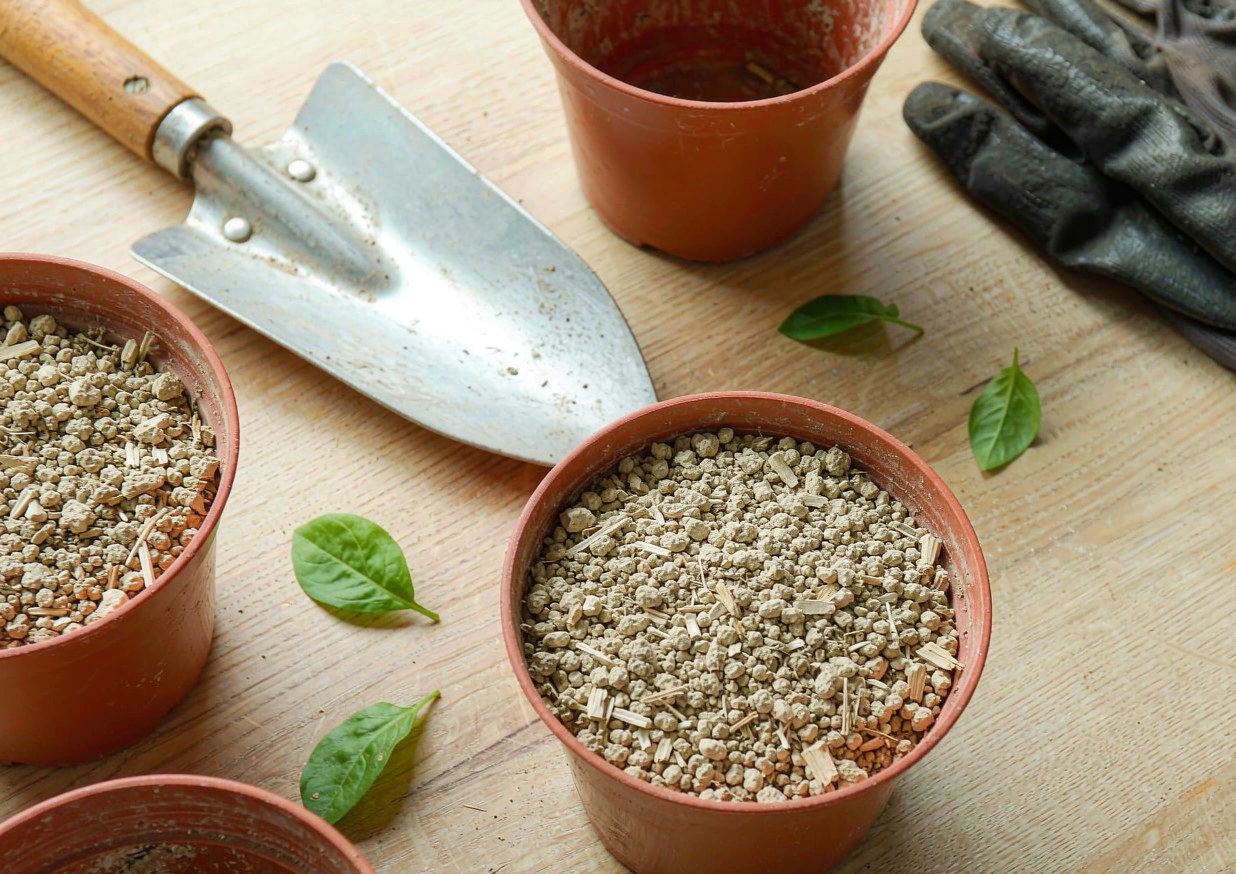 Photo provided by the author
Drainage is non-negotiable
If you remember one thing, remember this: herbs hate wet feet, and the number-one killer of windowsill pots is a container with no drainage. Every pot needs a hole in the bottom, and if you’re using a decorative cachepot with no hole, nest a drilled nursery pot inside it and empty the saucer after watering. I lost a beautiful pot of oregano to a waterlogged cachepot my first year — the roots simply rotted.
Material helps too. Terracotta breathes and dries faster, which suits Mediterranean herbs like thyme and oregano that prefer it on the dry side; glazed ceramic or plastic holds moisture longer, better for moisture-loving mint and parsley. Size matters less than drainage, but give each plant at least a 6-inch pot so roots aren’t cramped. The University of Illinois Extension vegetable pages stress that container herbs live or die on drainage and air at the roots. Get the hole and the saucer habit right and you’ve cleared the biggest hurdle.
Potting mix vs. garden soil
Never fill herb pots with soil from the yard. It compacts in a container, drains poorly, and can carry pests and disease. Use a quality potting mix made for containers — light, fluffy, and formulated to hold the right amount of moisture while draining freely. This single choice prevents more herb deaths than any fertilizer ever will.
I like a basic peat-free potting mix, sometimes with a handful of perlite or coarse sand mixed in for the Mediterranean herbs that want it drier. The MSU home gardening guidance reinforces using a soilless mix for containers. Don’t be tempted to “enrich” it with garden dirt “for nutrients” — that’s how you get compaction and rot. Clean mix, clean pot, drainage hole: that trio is the whole foundation, and it’s cheap.
The Six Easiest Herbs
Basil, mint, parsley, chives, thyme, oregano
If you’re starting from zero, these six are the most forgiving and the most useful in the kitchen. Basil is the flavor king but the most sun-hungry and frost-tender. Mint is nearly indestructible (and invasive in the ground, so a pot is ideal). Parsley is slow to start but long-lived. Chives are grassy, cold-hardy and rebloom after cutting. Thyme and oregano are woody Mediterranean types that want it dry and sunny and basically thrive on neglect.
My honest ranking for a beginner: mint and chives are almost impossible to kill, thyme and oregano are close behind, parsley is patient, and basil is the diva that demands sun and warmth. The OSU gardening pages list these among the most container-friendly culinary herbs. Plant all six and you cover Italian, Mexican and everyday cooking with almost no overlap in care needs — which keeps the whole windowsill interesting without becoming a chore.
A note on flavor and provenance, because it’s the part nobody mentions: herbs you grow yourself taste different because they’re fresh and because you control what touches them. Supermarket herbs are often weeks old and may have been sprayed in transit; your own are minutes from pot to pan and you know exactly what went on them — usually nothing but water. I grow lemon-thyme and a Greek oregano variety I can’t find fresh anywhere locally, which is its own quiet reward. The six I recommend also happen to span cuisines: basil and oregano for Italian, brightness from parsley, chives for eggs and potatoes, mint for teas and Southeast Asian dishes, thyme for roasts. Plant all six and you’ve basically built a small, free spice rack that lives on the windowsill.
Which to start from seed vs. buy
Two of these are worth buying as small plants rather than sowing: basil and parsley. Basil seeds are easy but a plant gets you there faster, and parsley is famously slow to germinate (three weeks or more), so a starter saves patience. The other four — mint, chives, thyme and oregano — are simple from seed or cheap as starters, so it’s your call based on how much you enjoy sowing.
I usually buy one basil and one parsley plant and start the rest from seed in the same potting mix I described. The Illinois Extension notes that many herbs transplant well, which is why starters work. Either way, avoid the supermarket “living herb” pots that are actually several plants jammed together and root-bound — they look cheap but struggle. One healthy plant per pot beats a crowded clamshell every time, and it’s the mistake I made on day one.
Planting and Spacing Them Right
Depth and spacing per herb
Most herbs want to be planted at the same depth they grew in their nursery pot — don’t bury the crown. Give each its own 6-inch or larger pot, or if you’re combining in one wide trough, space them so foliage barely touches; crowding is how airflow drops and mildew moves in. Basil especially hates being jammed against neighbors.
A practical layout I use: one herb per 6- to 8-inch terracotta pot lined up on the sill, rather than a mixed bowl. It looks intentional, makes watering individual, and lets you move a sun-hungry basil to the brightest spot while shading the mint. The UAEX yard and garden guidance recommends giving herbs room to breathe in containers. Resist the urge to pack the bowl “to look full” — that’s the exact move that sank my first attempt. Space them and they’ll fill in on their own.
Watering in after planting
After planting, water thoroughly so the mix settles around the roots, then let the top inch dry before watering again. Herbs generally prefer a rhythm of “soak, then dry slightly,” not constant dampness. I water mine in the morning so any splashed leaves dry during the day, which cuts mildew risk.
The trap is the saucer: if the pot sits in a saucer that stays full, the roots are effectively submerged. Empty it ten minutes after watering, every time. My oregano that died in year one? Sitting in a forgotten saucer. The MSU pages are blunt that container herbs fail from overwatering far more than underwatering. Water well, drain fully, repeat — that’s the whole watering philosophy, and it’s easier than people make it.
Light, Water and Feeding
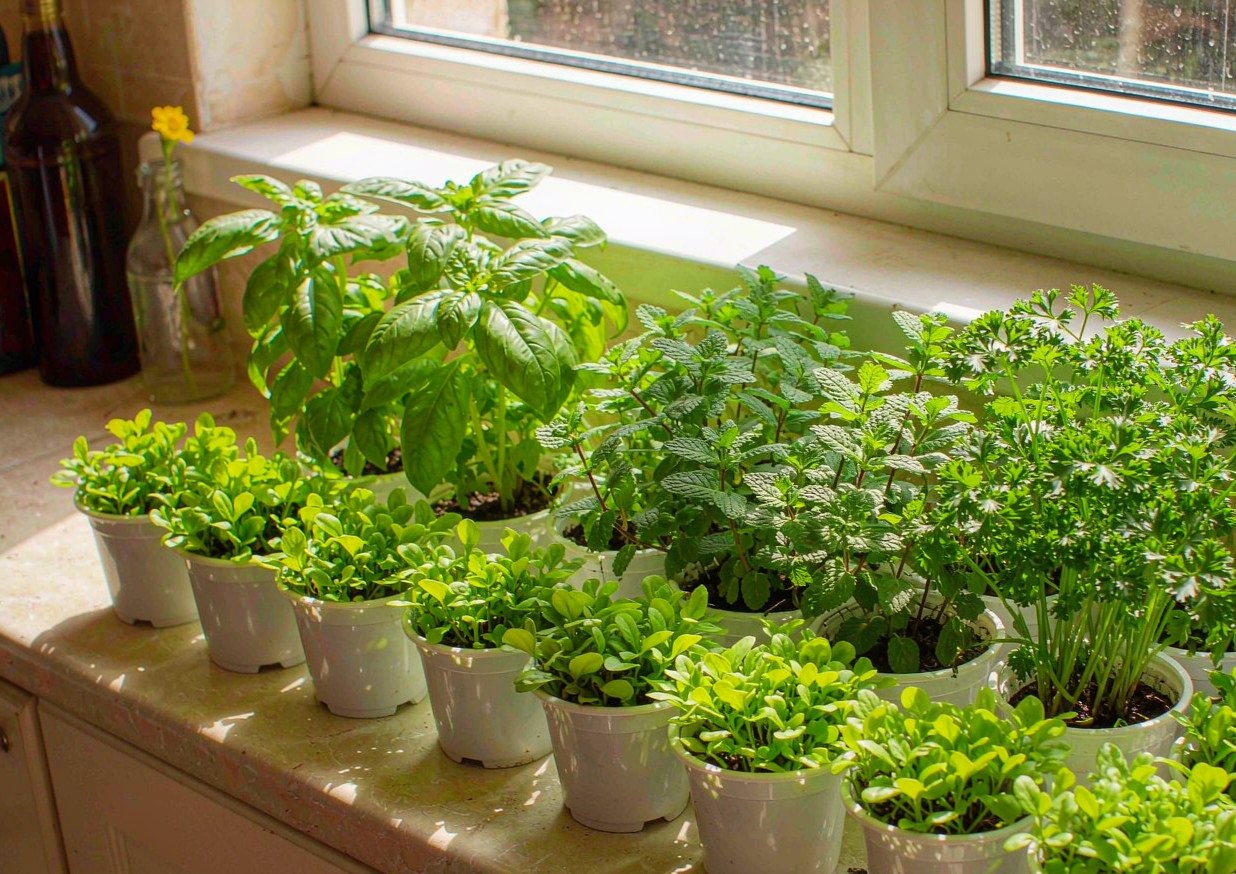 Photo provided by the author
How much sun each really needs
Sort your six by light appetite. Basil, thyme and oregano want the brightest, hottest sill you have — six to eight hours of direct sun. Parsley, mint and chives are more flexible and will tolerate four to six hours or bright indirect light, though they still prefer more. Put the sun-lovers front and center and the flexible three slightly back or to the side.
If winter light drops, consider a small supplemental LED for the basil especially — it’s the one most likely to sulk in dim months. I rotate pots a quarter turn weekly so all sides get sun and they grow straight instead of leaning. The OSU guidance is consistent: light quality drives both growth and flavor in herbs. Watch the window, not the calendar, and move plants as the seasons shift the sun’s angle.
The overwatering trap
Most windowsill herb deaths are drowning, not thirst. Symptoms look alike — droopy, yellowing leaves — so people water more, which makes it worse. The test is the finger: push it an inch into the soil; if it’s cool and damp, wait. If it’s dry, water. This simple check has saved more of my plants than any product.
Signs you’re overwatering: yellow lower leaves, soft mushy stems, a sour smell from the pot. Signs you’re underwatering: crisp, brown leaf edges and a pot that’s feather-light. I err on the drier side for thyme and oregano and slightly moister for mint and parsley, but the finger test rules all of them. The Illinois Extension echoes that container herbs need less water than people give. When in doubt, wait a day — herbs recover from brief dryness far better than from rot.
Harvesting for Nonstop Growth
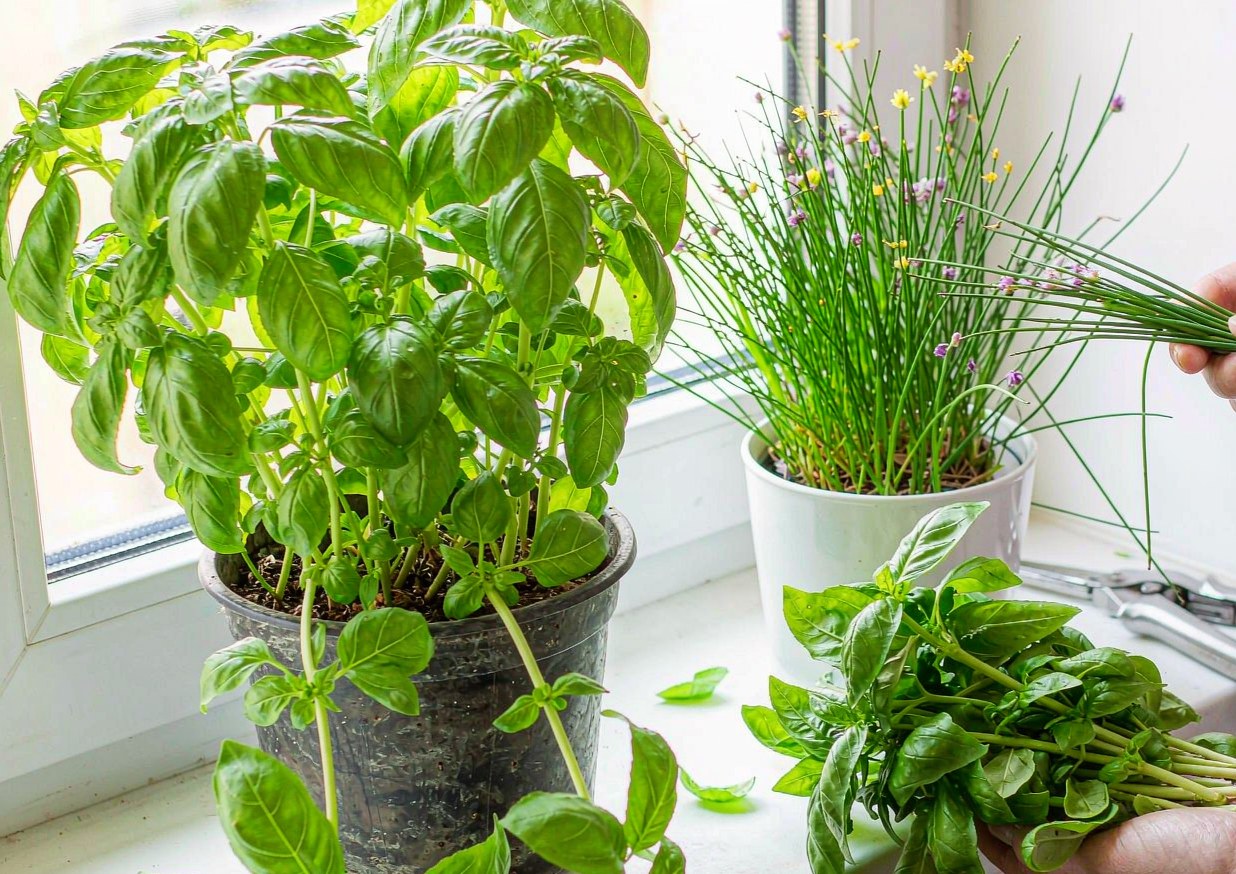 Photo provided by the author
Pinching vs. cutting
The secret to a productive herb pot is harvest often. For basil, pinch or cut just above a pair of leaves and the plant responds by branching into two stems — harvest regularly and it gets bushier, not smaller. If you let basil flower, it shifts energy to seeds and the leaves turn bitter, so keep snipping the tips. For mint, oregano and thyme, shear the top third and they refill quickly.
Chives are the easiest: snip leaves from the outside with scissors, an inch above the soil, and the clump keeps producing. Parsley you cut outer stems at the base. The MSU home gardening pages note regular harvesting actually prolongs leafy production in many herbs. The mistake is “saving” the plant by not cutting — that leads to woodiness and flowers. Use it and it grows; ignore it and it quits. I harvest a little from each pot every few days and never run out.
When to harvest for best flavor
Flavor peaks at different moments. Basil is most aromatic before it flowers and in the morning after the dew dries. Mint and chives taste best young; older chive leaves get tough. Thyme and oregano concentrate oils (and flavor) when the plant is slightly stressed by sun and a touch of dryness, so don’t overwater chasing tenderness.
I harvest little and often rather than stripping a plant occasionally, which keeps every pot in a steady growth rhythm instead of lurching between “stripped bare” and “overgrown.” The OSU pages support frequent light harvesting for continuous yield. A good rule: never take more than a third of a plant at once, and it will repay you all season. That restraint is what turns one pot into a year of herbs.
Overwintering and Keeping Them Alive
Indoor winter care
When outdoor herbs die back, your windowsill ones can keep going if you adjust. Winter light is weak, so move pots to the brightest window and consider a supplemental light for basil. Cut back on water because plants grow slower and use less, and hold off on heavy feeding until spring.
The winter killer is overwatering in low light — roots sit cold and wet and rot while the plant can’t use the water. I water roughly half as often in deep winter and always empty the saucer. The UAEX guidance reminds gardeners that indoor herbs need less frequent care in dormant months. Mint and chives sail through; basil is the gamble and may decline no matter what — that’s normal, and why buying a fresh one each spring is fine. Keep the survivors alive and you’ve got a head start on next year.
Winter air indoors is also dry from heating, which herbs feel even if you’re watering correctly. I set the pots on a shallow tray of pebbles with a little water (not touching the pot bottoms) to lift local humidity, and I mist the leafy types like mint and parsley lightly on very dry days. Avoid putting pots directly on top of a radiator or in the path of a heating vent — that’s the fastest way to crisp a plant that’s already stressed by low light. If a plant still looks drawn and pale in February, it’s almost always the light, not the care, so a supplemental bulb is the real fix rather than more water or fertilizer. Keep conditions steady and most of your six will cruise through to spring.
Reviving a tired plant
If a pot looks half-dead — leggy, yellow, woody — don’t toss it yet. Often it just needs a hard trim and a fresh top dressing of potting mix, plus a move to better light and a correction of watering. Cut back the dead wood, snip leggy growth to a node, and water lightly. Many herbs flush new growth within a couple of weeks.
For thyme and oregano that have gone woody and bare at the base, a serious spring cutback to fresh green growth revives them; for basil that’s truly spent, start fresh. The Illinois Extension suggests periodic renewal cuts for perennial herbs. I’ve brought back oregano I’d written off by just moving it to full sun and easing off water. Give a struggling pot one correction cycle before replacing it — you’ll be surprised how often it bounces.
Common Beginner Mistakes
Crowding the pot
The most common windowsill error is packing too many herbs into one small container “to look like a garden.” They compete for light, water and root space, airflow drops, and mildew or rot follows. My first bowl of six herbs in a shallow dish is the cautionary tale — half drowned, half starved, none thrived.
Give each herb room: one per 6-inch pot, or a wide trough with clear gaps. The MSU pages are clear that crowding invites disease in containers. If you want the “mixed pot” look, use a wide, deep planter and still space them so foliage just touches at maturity, not overlaps. Air between plants is free insurance. Space them and the same six herbs that died on me now flourish individually.
Wrong herb for the light you have
The second mistake is forcing a sun-hungry herb into a dim window. Basil in a north window will never be happy, no matter how you water it — it’ll stretch, pale and taste like little. Match the plant to the light: basil, thyme and oregano to the brightest sill; parsley, mint and chives to the more forgiving spots.
If your only window is weak, lean your six toward the shade-tolerant three and skip or supplement the sun-lovers. I rearranged my whole sill around this rule after a season of sad basil, and the change was immediate. The OSU gardening pages consistently tie herb quality to light. Right plant, right window — that pairing does more for success than any fertilizer or gadget.
Troubleshooting: Symptoms, Causes and Fixes
Windowsill herb problems usually come down to light, water or crowding. Here’s the table I keep near the sink.
| Symptom | Likely cause | Fix |
|---|---|---|
| Pale, stretched, leaning stems | Too little light | Move to brightest window; add supplemental LED; rotate weekly |
| Yellow lower leaves, soft stems, sour smell | Overwatering / no drainage | Empty saucer; let top inch dry; check drainage hole |
| Brown, crisp leaf edges | Underwatering or dry heat | Water when top inch is dry; raise humidity slightly |
| White powdery coating on leaves | Powdery mildew from crowding/damp | Space plants; improve airflow; water in morning |
| Basil bitter, sends up flower spikes | Bolting (flowers forming) | Pinch flowers immediately; keep harvesting tips |
| Mint taking over the pot | Normal aggressive growth | Keep in its own pot; divide or trim hard |
FAQs
Which herbs are easiest for a beginner on a windowsill?
The six most forgiving are basil, mint, parsley, chives, thyme and oregano. Of those, mint and chives are nearly impossible to kill, thyme and oregano thrive on neglect, parsley is patient, and basil is the one that demands the brightest, warmest spot. Start with mint or chives if you want a guaranteed win, then add the others as you learn your window’s light. Buy basil and parsley as small plants to skip slow germination, and start the rest from seed or starters. Match each herb to the amount of sun the sill actually gets, and you’ll avoid most beginner failures. Avoid cramming them all into one shallow bowl — that’s the quickest way to lose them.
How much sun do windowsill herbs really need?
Most culinary herbs want at least six hours of direct sun a day. Basil, thyme and oregano are the most demanding and need the brightest sill; parsley, mint and chives tolerate four to six hours or bright indirect light better. Count the actual hours of sun hitting the ledge before you buy anything — a dim north window will grow leggy, flavorless stems. If your best window is bright but not direct, lean on the shade-tolerant three and consider a small LED for the basil in winter. Light quality drives both growth and flavor, so the window you choose matters more than the fertilizer you use.
How often should I water herbs in pots?
Water when the top inch of soil feels dry, then water thoroughly and empty the saucer ten minutes later — don’t let the pot sit in standing water. That’s it. Most windowsill herb deaths are from overwatering, not underwatering, so when in doubt, wait a day. Thyme and oregano prefer it on the dry side; mint and parsley like slightly more moisture but still hate soggy roots. Water in the morning so leaves dry during the day and mildew doesn’t set in. A simple finger test beats any schedule, because heat and light change how fast the mix dries.
Why is my basil flowering and tasting bitter?
Basil “bolts” — sends up flower spikes — when it’s stressed by heat, long days, or simply maturity, and once it flowers the leaves turn bitter as the plant shifts energy to seeds. The fix is to pinch or cut the flower spikes off the moment you see them, and keep harvesting the tips so the plant stays in leafy growth. Regular harvesting actually prevents bolting by keeping the plant bushy and young. Plant basil in the hottest, sunniest spot you have, and if it still bolts in midsummer, that’s natural — start a fresh plant for a second crop. Don’t eat the flowers; just remove them.
Are these herbs safe around pets?
Most of the six are fine, but be careful with the allium family: chives (and garlic or onion relatives) are toxic to dogs and cats and should be kept where pets can’t chew them. The others — basil, mint, parsley, thyme, oregano — are generally considered non-toxic in normal culinary amounts, but any plant can upset a pet’s stomach if eaten in quantity. This is general information, not veterinary advice — I’m not a vet. If you think a pet has eaten chives or any plant and is acting sick, call your veterinarian or the ASPCA Animal Poison Control Center at (888) 426-4435 rather than waiting to see what happens.
Sources and Further Reading
- ASPCA — Toxic and Non-Toxic Plants List
- Oregon State University Extension — Gardening
- Michigan State University — Home Gardening
- University of Illinois Extension — Vegetables
- University of Arkansas Extension — Yard & Garden
About the author
Samantha has been gardening and arranging her own cut flowers for more than ten years, and has built more than 30 centerpieces from grocery-store bunches, clippings off the cedars behind her house, and a handful of dollar-store experiments that didn’t work. She writes practical, low-cost guides for beginners, including the versions that failed. Prices quoted in her articles are what she actually paid at US grocery and craft stores; nothing is sponsored and no brand pays for a mention. She is not a certified florist, a veterinarian or a horticulturist, and says so wherever a topic touches on plant safety or pet health.
Published: Oct 27, 2026 · Last updated: Oct 27, 2026.
{
“@context”: “https://schema.org”,
“@graph”: [
{
“@type”: “Article”,
“headline”: “Container Herb Garden: 6 Easy Herbs for a Sunny Windowsill”,
“description”: “Grow a windowsill herb garden in containers with basil, mint, parsley, chives, thyme and oregano: give 6+ hours of sun, well-draining potting mix, and harvest often by snipping the tips.”,
“image”: [
“images/herb-windowsill-hero-clean.jpg”,
“images/herb-pots-mix-clean.jpg”,
“images/herb-harvest-clean.jpg”
],
“author”: { “@type”: “Person”, “name”: “Samantha” },
“publisher”: { “@type”: “Organization”, “name”: “REPLACE_WITH_SITE_NAME” },
“datePublished”: “2026-10-27”,
“dateModified”: “2026-10-27”,
“mainEntityOfPage”: {
“@type”: “WebPage”,
“@id”: “https://REPLACE_WITH_DOMAIN/container-herb-garden-6-easiest-herbs-windowsill”
}
},
{
“@type”: “FAQPage”,
“mainEntity”: [
{
“@type”: “Question”,
“name”: “Which herbs are easiest for a beginner on a windowsill?”,
“acceptedAnswer”: {
“@type”: “Answer”,
“text”: “The six most forgiving are basil, mint, parsley, chives, thyme and oregano. Mint and chives are nearly impossible to kill, thyme and oregano thrive on neglect, parsley is patient, and basil demands the brightest, warmest spot. Buy basil and parsley as small plants to skip slow germination, and start the rest from seed or starters. Match each herb to the light your sill actually gets, and avoid cramming them into one shallow bowl.”
}
},
{
“@type”: “Question”,
“name”: “How much sun do windowsill herbs really need?”,
“acceptedAnswer”: {
“@type”: “Answer”,
“text”: “Most culinary herbs want at least six hours of direct sun a day. Basil, thyme and oregano are the most demanding and need the brightest sill; parsley, mint and chives tolerate four to six hours or bright indirect light better. Count the actual hours of sun on the ledge before buying. If your best window is bright but not direct, lean on the shade-tolerant three and consider a small LED for basil in winter. Light quality drives both growth and flavor.”
}
},
{
“@type”: “Question”,
“name”: “How often should I water herbs in pots?”,
“acceptedAnswer”: {
“@type”: “Answer”,
“text”: “Water when the top inch of soil feels dry, then water thoroughly and empty the saucer ten minutes later so the pot never sits in standing water. Most windowsill herb deaths are from overwatering, not underwatering, so when in doubt wait a day. Thyme and oregano prefer it drier; mint and parsley like slightly more moisture but still hate soggy roots. Water in the morning so leaves dry during the day and mildew does not set in.”
}
},
{
“@type”: “Question”,
“name”: “Why is my basil flowering and tasting bitter?”,
“acceptedAnswer”: {
“@type”: “Answer”,
“text”: “Basil bolts, sending up flower spikes, when stressed by heat, long days or maturity, and once it flowers the leaves turn bitter as the plant shifts energy to seeds. Pinch or cut the flower spikes off the moment you see them, and keep harvesting the tips so the plant stays in leafy growth. Regular harvesting prevents bolting by keeping the plant bushy and young. Plant basil in the hottest, sunniest spot you have, and start a fresh plant for a second crop if it bolts.”
}
},
{
“@type”: “Question”,
“name”: “Are these herbs safe around pets?”,
“acceptedAnswer”: {
“@type”: “Answer”,
“text”: “Most of the six are fine, but the allium family, especially chives and garlic or onion relatives, is toxic to dogs and cats and should be kept where pets cannot chew them. Basil, mint, parsley, thyme and oregano are generally considered non-toxic in normal culinary amounts, though any plant can upset a pet’s stomach if eaten in quantity. This is general information, not veterinary advice. If you think a pet has eaten chives or any plant and is acting sick, call your veterinarian or the ASPCA Animal Poison Control Center at (888) 426-4435.”
}
}
]
}
]
}