
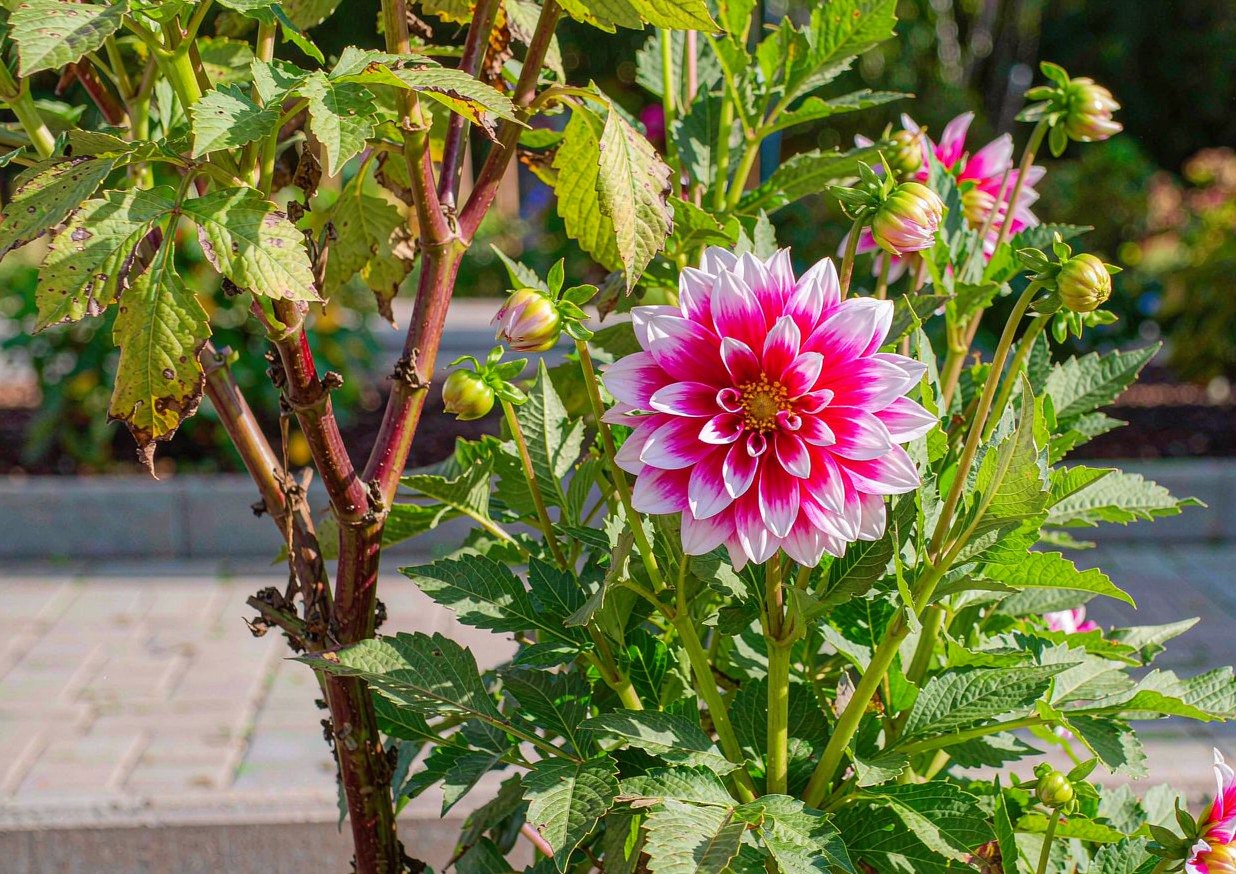
Plant dahlia tubers after soil warms to 60F and frost risk passes; dig, cure and store them cool and dry over winter so the same tubers flower for years. Pet-safe notes included.
Author: samantha

flowers
Nov 2, 2026
How to Make a Fresh Evergreen Wreath That Lasts Indoors
Build a fresh evergreen wreath that stays green for 3-5 weeks: use a wire or straw frame, long-lasting cedar/fir/boxwood, wire the bundles on, and mist daily away from heat. Pet-safe tips included.
vegetables-herbs
Nov 1, 2026
Companion Planting: What Actually Works in a Small Vegetable Garden
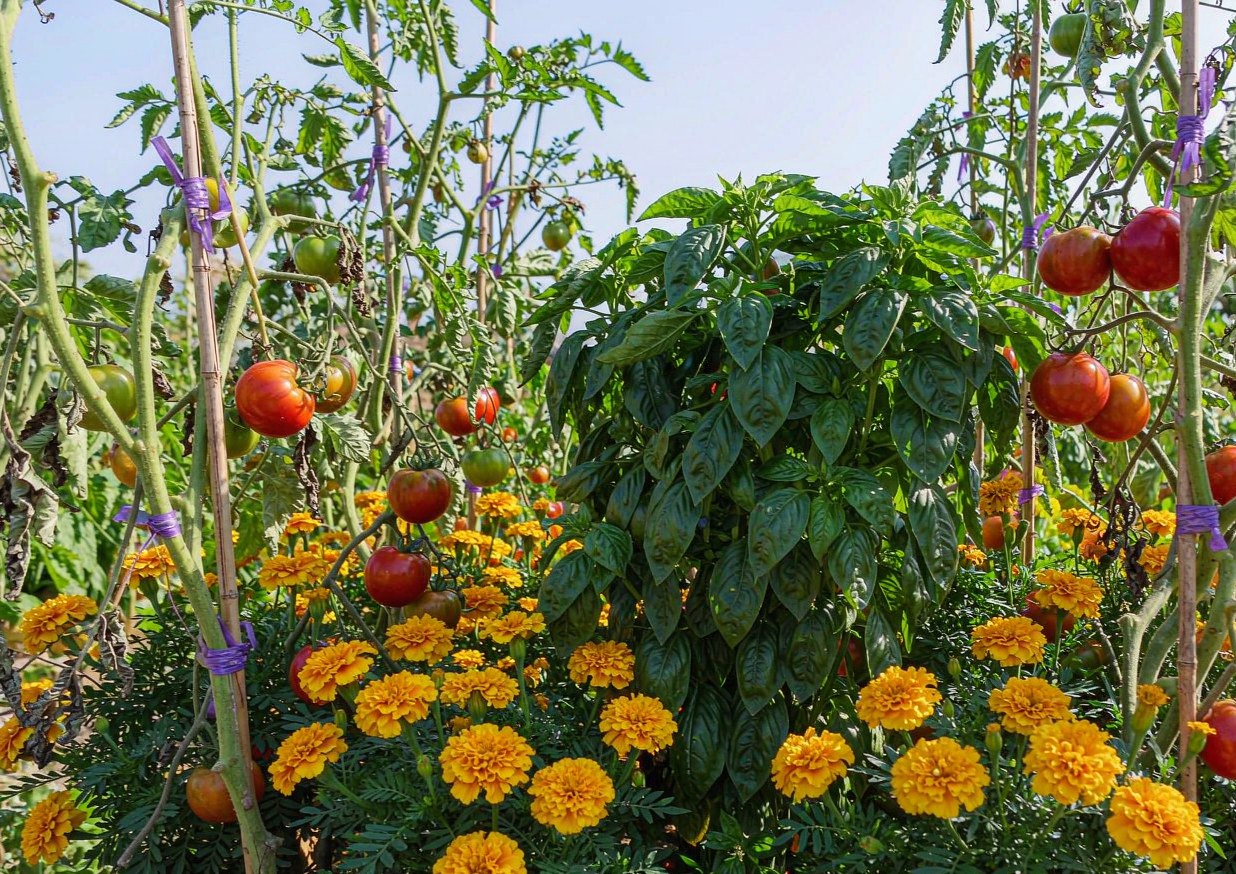
Companion planting helps most through pest confusion, trap cropping, and pollinator habitat. Reliable pairs: basil with tomatoes, carrots with onions, marigolds and nasturtiums as trap crops, plus a bloom border. Pet-safe notes included.
soil-compost
Nov 1, 2026
Coffee Grounds, Eggshells and Kitchen Scraps: What Actually Helps
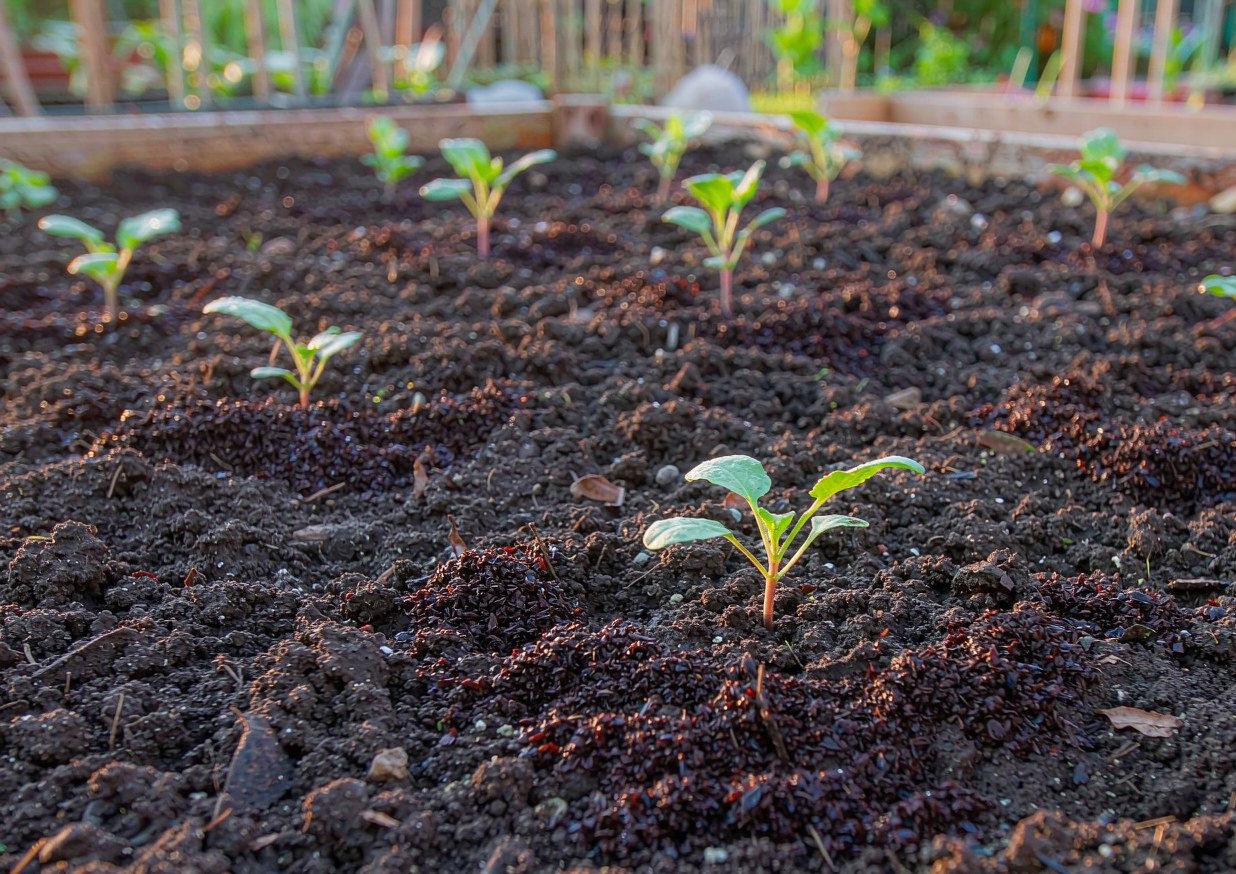
Used coffee grounds are a light soil conditioner, not a fertilizer; eggshells are a slow calcium source; most vegetable scraps should be composted, not buried raw. Pet-safe tips included.
pests-diseases
Oct 31, 2026
Slugs and Snails: 7 Controls That Actually Work
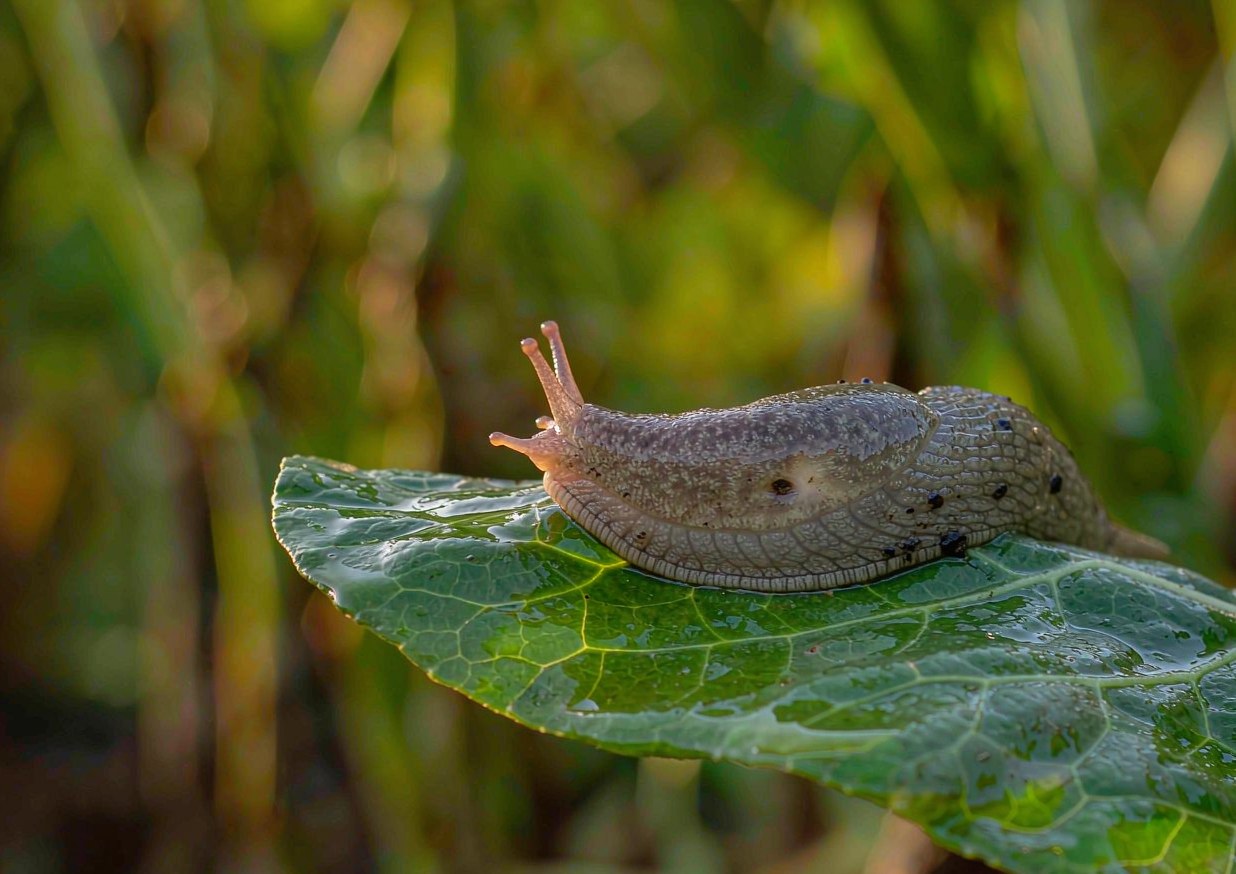
Seven slug and snail controls that actually work: hand-picking, beer traps, copper barriers, diatomaceous earth, pet-safe iron phosphate bait, beneficial nematodes, and habitat cleanup with smart planting timing.
houseplants
Oct 31, 2026
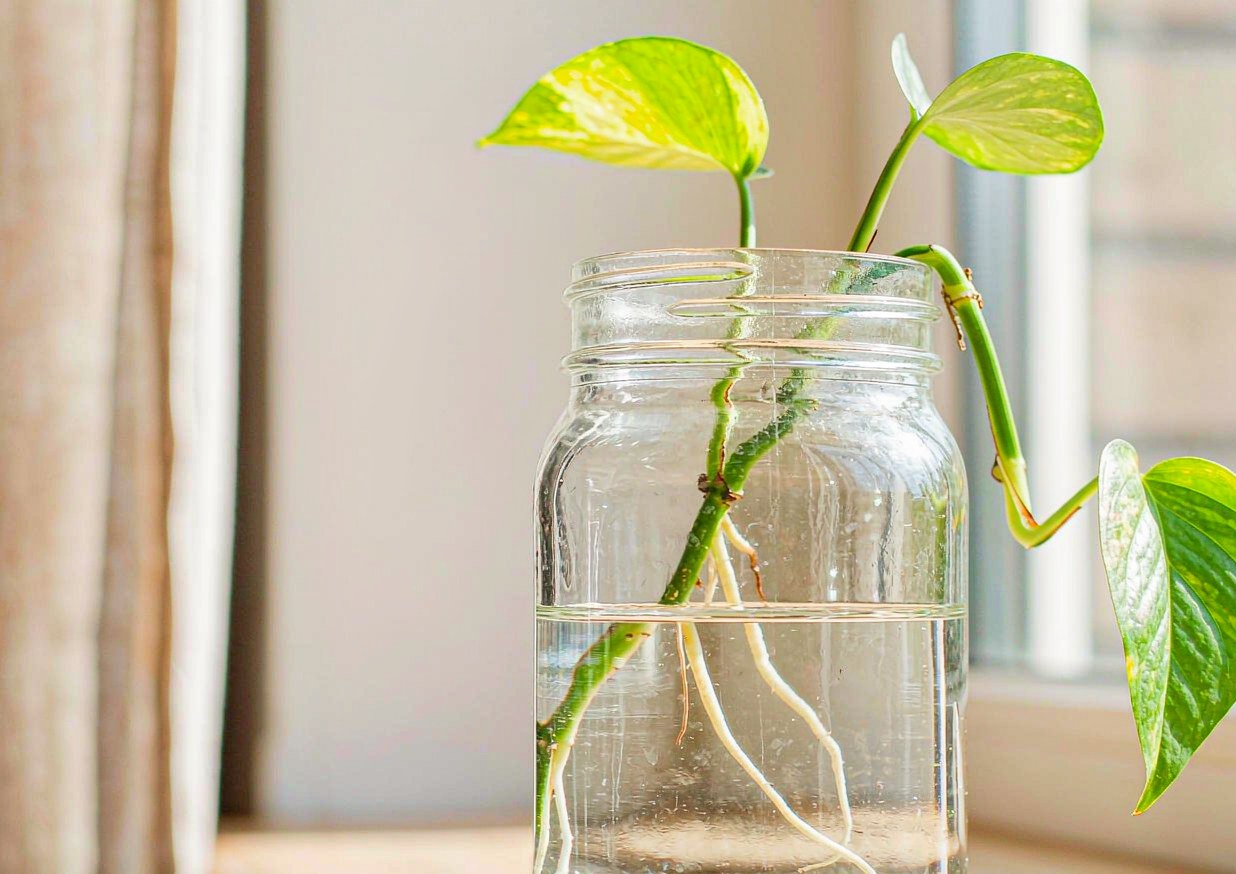
How to Propagate Houseplants in Water and When to Move Them to Soil
Water propagation is the easiest way to multiply pothos, philodendron and other houseplants. Cut below a node, keep it in clean water, and move to soil once roots reach about one inch.
vegetables-herbs
Oct 31, 2026
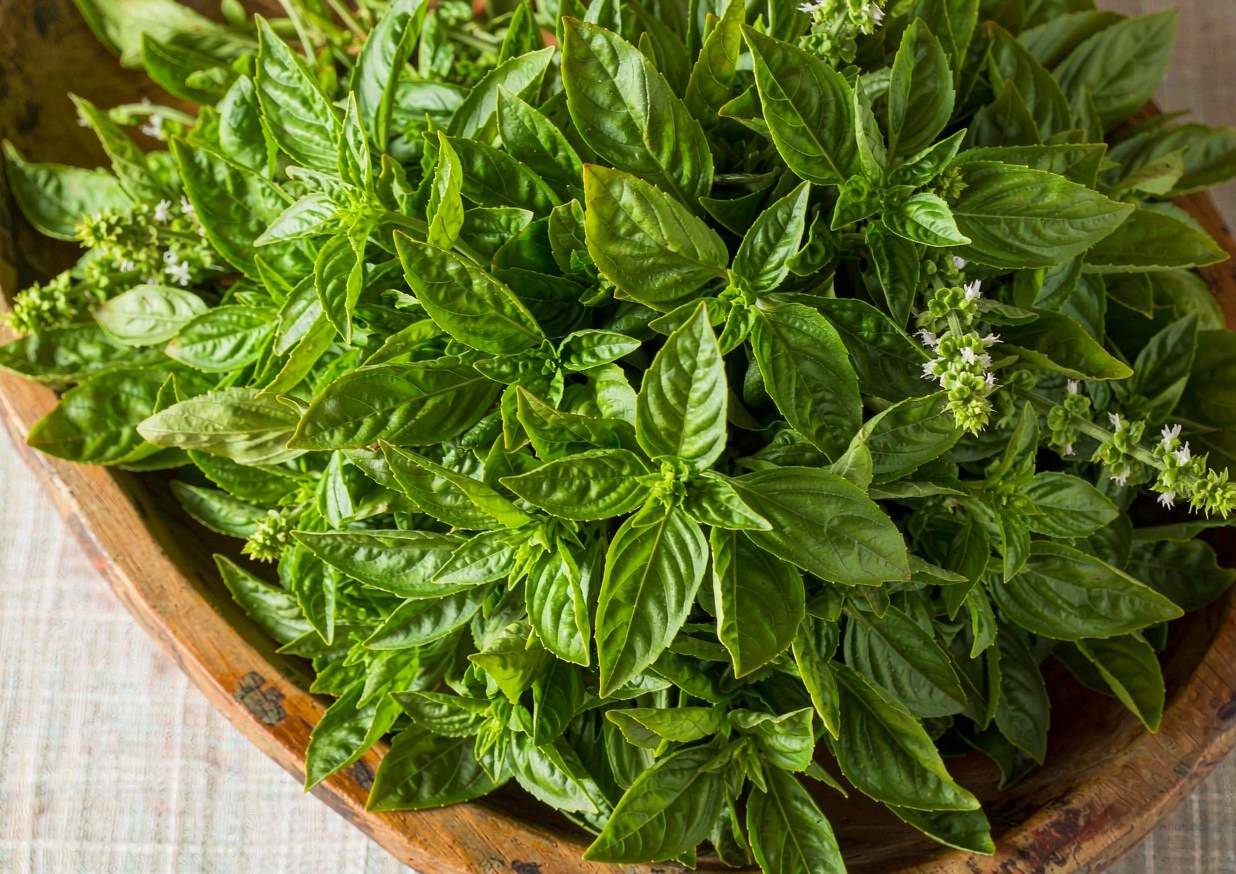
When to Harvest Basil So the Plant Keeps Producing
Start harvesting basil at 6 to 8 inches tall and pinch the top tip above a leaf pair every 7 to 10 days. Removing flower buds keeps the leaves sweet and the plant branching for months instead of bolting.
pests-diseases
Oct 31, 2026
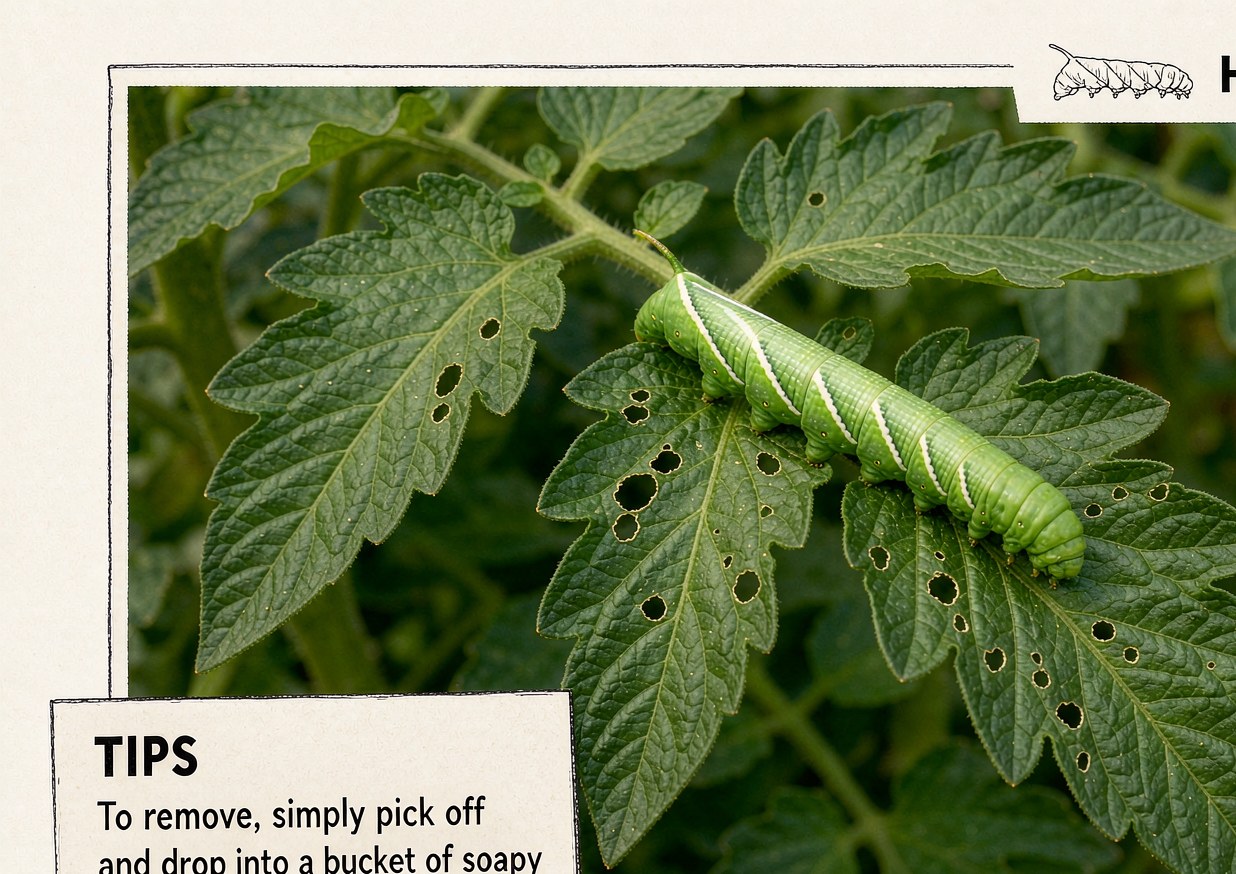
Tomato Hornworms: How to Find and Remove Them by Hand
A tomato hornworm can strip a plant in days, but hand-picking is the most effective control. Learn how to find them by their damage, remove them safely, and use parasitic wasps to your advantage.
vegetables-herbs
Oct 31, 2026
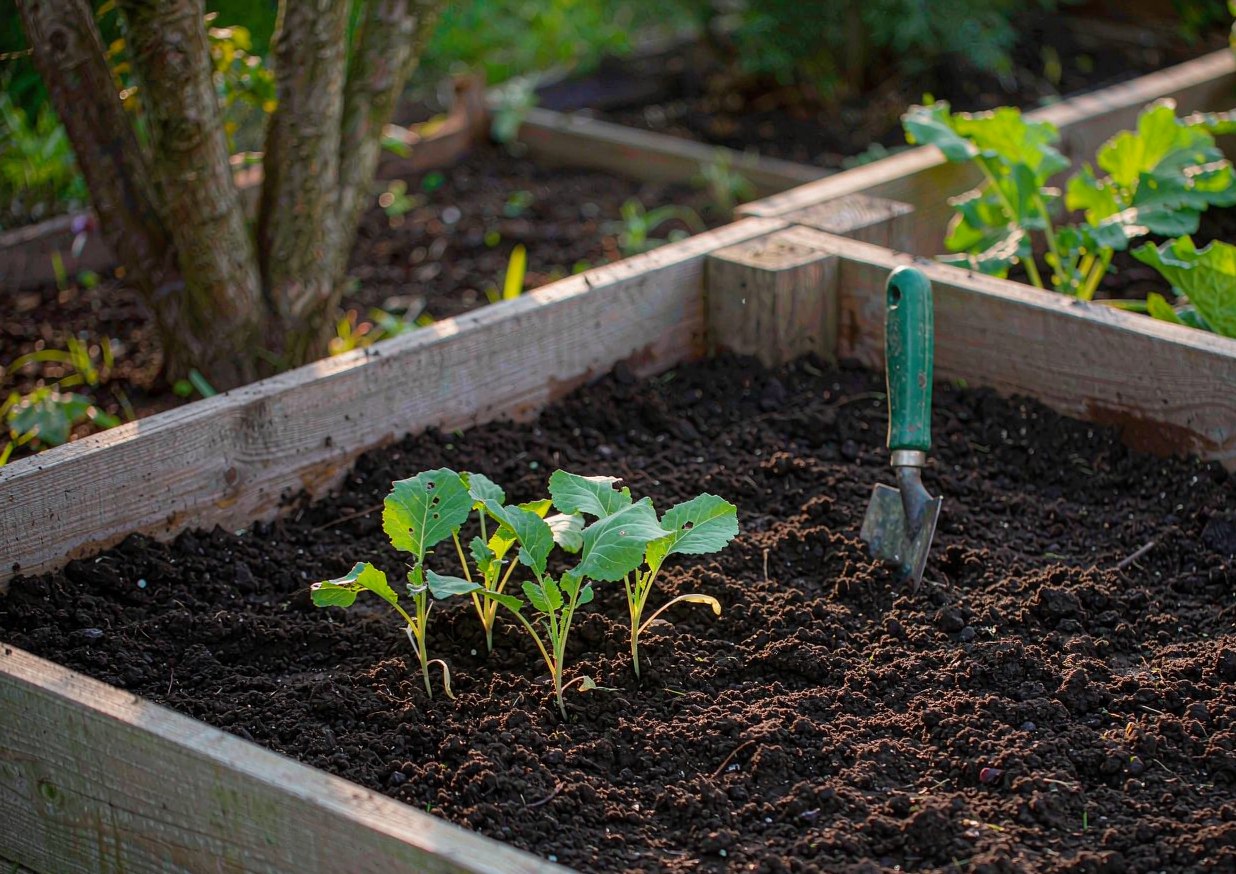
Raised Bed Soil: What to Fill It With and What to Avoid
Fill a raised bed with about one-third screened topsoil, one-third finished compost, and one-third aeration. Avoid fresh manure, uncomposted material, and cocoa hulls if you have dogs.
trees-shrubs
Oct 31, 2026
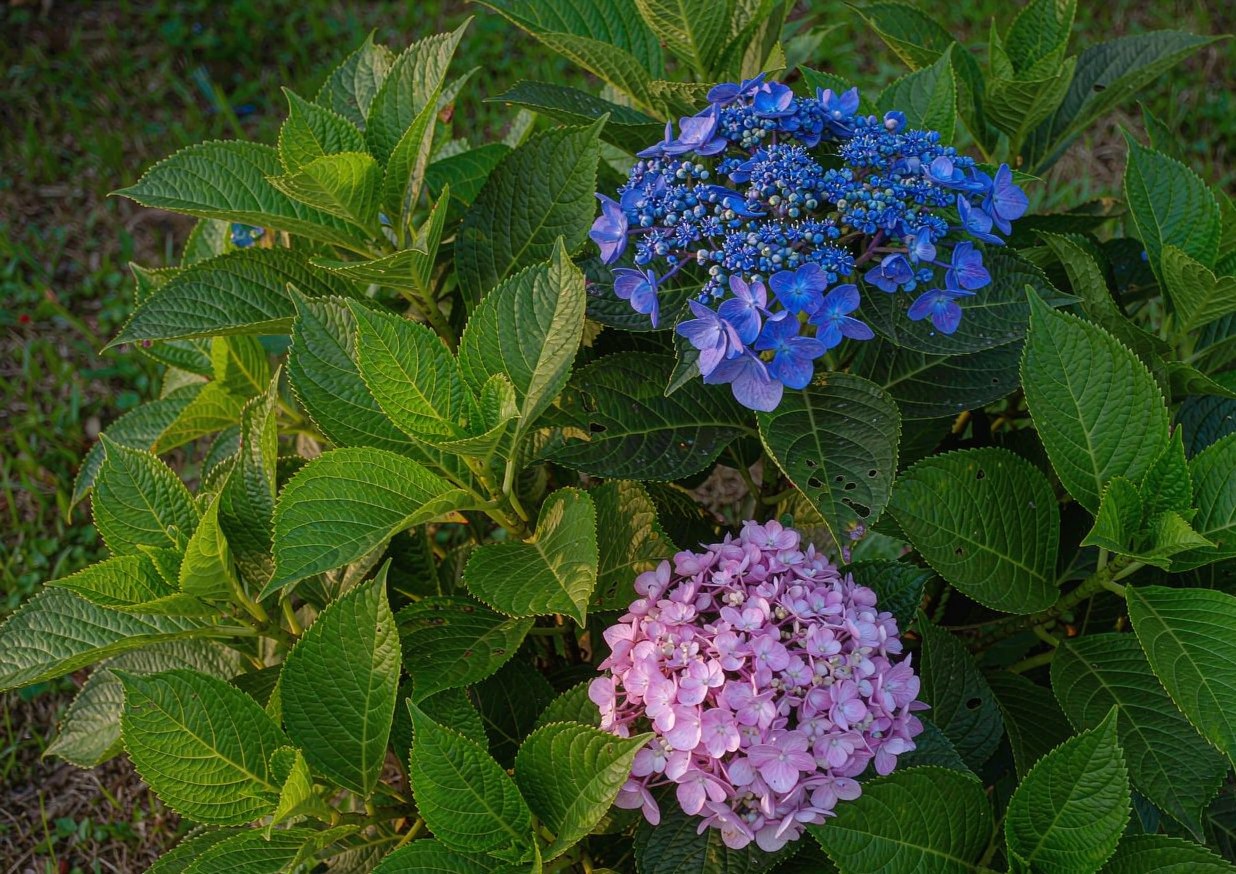
Hydrangea Color: Why Blue Turns Pink and How to Change It
Hydrangea flower color is controlled by soil pH and aluminum availability, not genetics. Here is exactly how to shift pink blooms blue and blue blooms pink — and the mistakes that waste a season.